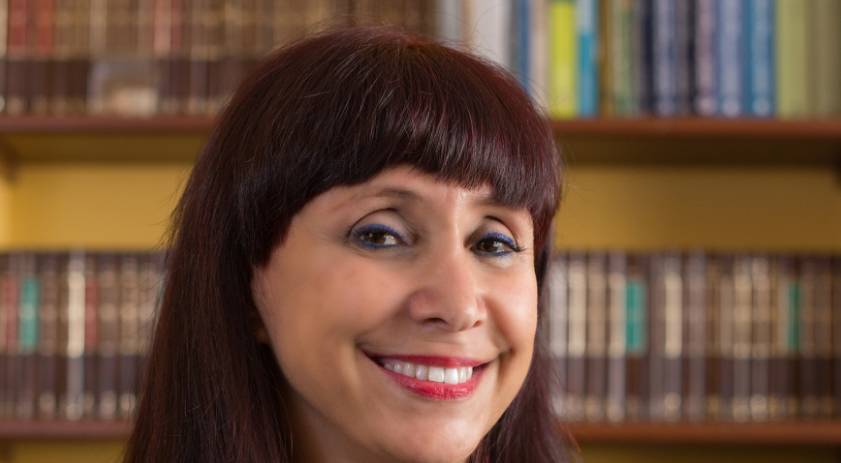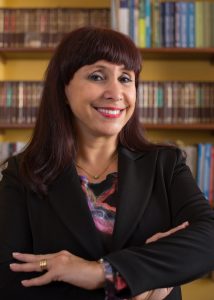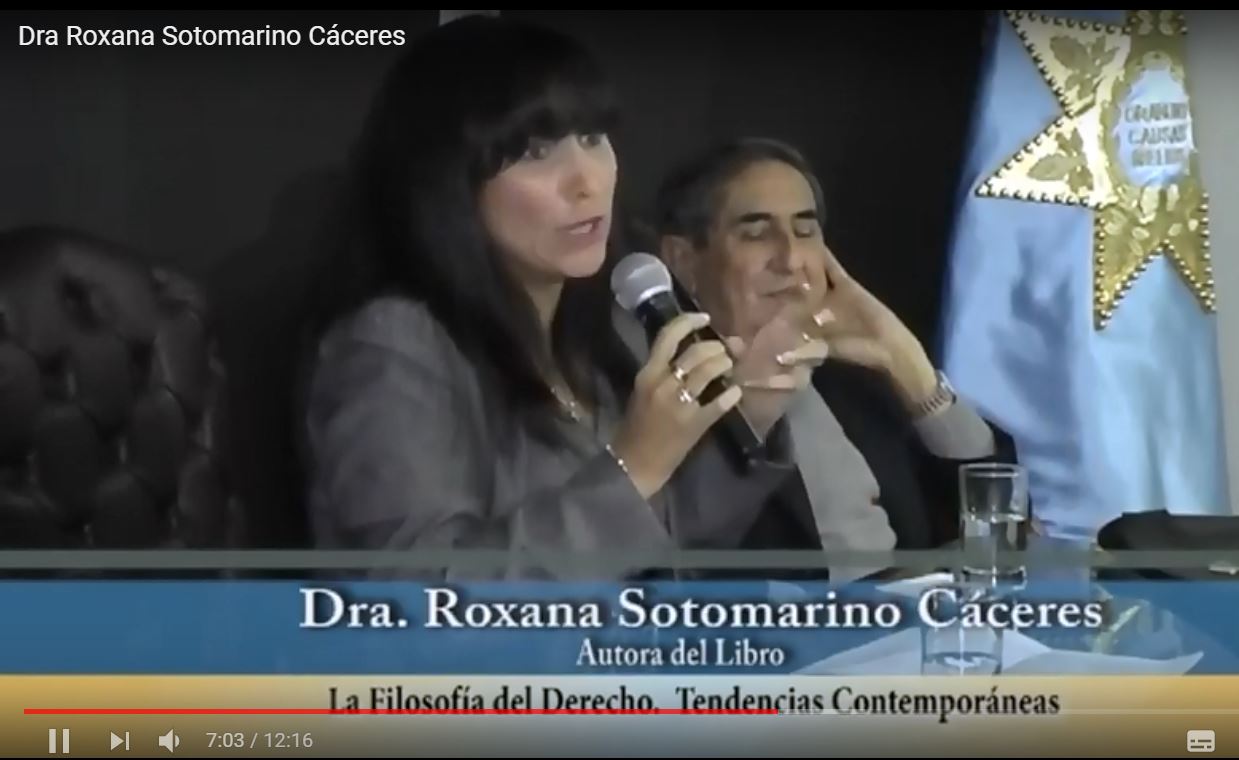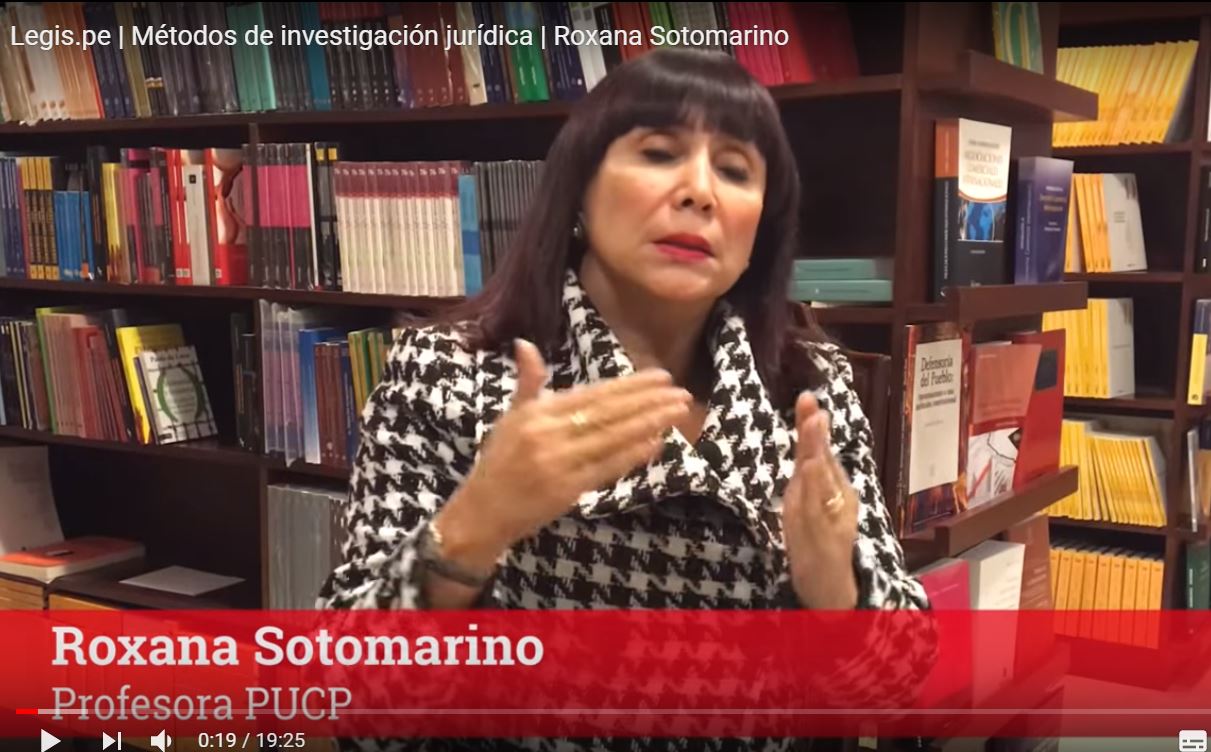
Speech presented by Dr. Silvia Roxana Sotomarino
18th International Conference of Chief Justices of the World on Article 51 of the Constitution of India.
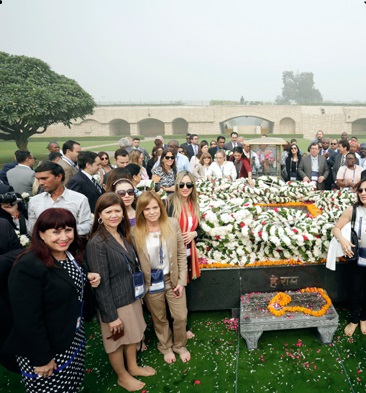
(World Peace Congress 2017) held on 8th to 14th November 2017 at Lucknow-India-Organised by: City Montessori School (CMS), Lucknow, India.
Subject: Condition of World’s Children and their Problems – Impact of International Conventions/Declarations on their Rights.
Introductory words
First of all, I would like to express that I am very honored to participate in this conference.
I would like to begin my presentation by highlighting the importance of the judicial work and that of the State, society, the media in the enforcement of national and international Laws concerning children in particular. It is necessary to look at the entry into force and the effective implementation, not in a theoretical but practical way. And this is more noticeable and disturbing in countries with a limited spectrum of respect for institutions and the rights of persons. Ihering (quoted by Hierro, 2009: 53), emphasized this idea, when he said that it was necessary to respect the purposes of the law. Any legal principle will lose its value if you do not “assert specific rights”. In the later form, legal realism has incorporated these notions.
According to Giovanni Tarello (Hierro, 2009: 60-61), legal realism has led to a definition of the concept of law, contrary to formalism and mere theory. The content of the rights, it can be said, reclines in the force with which the same rights are applied in practice. In this sense then, the work of the judge is vital in order to ensure that the rights of children and adolescents are real and tangible.
The rights of the child have been developed through history and cultures incorporating originally children as fun and “tiny” members of the family and society; from there the principle of the rights of the child has evolved to being an obligation of society and all persons in society in order to secure the best interest of the child. Finally, regarding this as other human or fundamental rights, we have seen the influence of internationalization and the protection of children has been brought to a supranational level.
One of the pillars of the contemporary system – on which rests the protection of children – is the principle of the best interest of the child. On this issue, much has been written and much is written in the doctrinal books; provisions as the constitutional jurisprudence and specialized justice have been developed. It is recognized, however, without a doubt, that the principle gives room for interpretation, integration, solutions, and implementation of judicial decisions, administrative acts and actions, as well as measures of any kind.
However, there is change of paradigm towards the idea of Fernandez (2001) called favor filii meaning “favor the children”. After cultivating the legal tradition, that has prevailed in the countries of the Roman-Germanic (including the Peruvian) system and others – based on the principle of the father having authority as head of the family as expressed with the term “father knows best” – including the best the interest of the family, the concept has evolved to give priority to the best interest of the children or the child.
The effective compliance of the rights of the child principle required imposing a legal standard for protection on behalf of children and adolescents; this is comprehensive and complex procedure and requires articulate tools for multidisciplinary research, including cognitive behavioral psychology, in order to internalize the learning –with respect for the legal system and the laws that have to be fulfilled. Such an argument was deployed in the economic sphere by the current winner of the Nobel Prize in economics of this year, Richard H. Thaler who developed his ideas in behavioral economics.
Also in the law, it is required to integrate the theories of behavior, prejudices, irrationality, and anomalies, in order to understand human behavior and to incorporate the results of such analysis and observations and pass them on to the judicial mandates in general, and to those who work with children and adolescents. We need to incorporate the interdisciplinary perspective, in order to support the decisions or judgments made by the authorities, taking into account the impact on the individual persons and the impact upon society. We also need to generate a commitment from the population, the authorities, and the media to understand and change the quality of the message and the actions taken to protect the rights of the child.
- The status of children and their problems around the world
Psychology in the area called human development, explains the importance of meeting the needs of children from early stages. Indicated that “infants form attachment with people who are in close contact; they learn to trust in the world if their physical, emotional and intellectual needs are satisfied”(Craig, 1988: 2; Papalia et al, 1992). The exploration and subsequent learning, meeting these needs, require guidance and providers of learning – especially in the years of learning of children and adolescents.
“Human development is a process that is complex and rich, full of questions and challenge – it is the product of many trends: the combination of the biological and cultural basics as well as thought and feelings.” The process will begin with the conception and continues until the old age (Craig, 1988: 2).
It is the obligation of the judicial authorities to take this biological, emotional and social model into account and establish rights and obligations for certain persons, such as the biological parents. If there are shortcomings or distortions, deficiencies that affect the children or adolescents, parents or family members will be replaced or substituted by the State – always under the principle of the best interests of the child.
The problems affecting this part of the population are in many cases the same as the problems which affect families in extreme poverty. Malnutrition and anemia, lack of basic services, or poor quality in health services generate a high infant mortality rate or poor development due to lack of nutrients in the formative stages. Other factors which influence poor development of a child are: lack of access to basic services of water, power, housing to protect them from the environment, nearby schools and quality education, which allows overcoming learning problems or teaching children basic arithmetic. Many children suffer from violence of different types and abandonment, or they are forced to become “soldiers” of revolutions or wars. Armed conflicts generate deaths and exodus of the population with the consequent transfer of children and adolescents. Many are also forced to work even under deplorable conditions as in the mines; others are forced to beg on the street or go into prostitution. As a vulnerable sector, children and adolescents will suffer more than adults, but the vulnerable or abused children will also uphold the vicious circle of disadvantages, which has for generations been a perpetual curse on differences and which condemns the children to the same fate as their ancestors.
UNICEF (2017) raises the question of a the need to apply the “imperative of fairness”, based on the fact that by the year 2030 it is expected that 70 million children will die before reaching age 5; 3.6 million will die only in 2030, which is the deadline to meet the objectives of sustainable development. Children in sub-Saharan Africa will be 12 times more likely to die before reaching age 5 than those who live in countries of high income and 9 of every 10 children living in places of extreme poverty, will die in the indicated area. More than 60 million children will be out of school despite having the age to attend school. And they live in sub-Saharan Africa itself. 750 million girls will be married, denying them their right to live their childhood and to develop. There are similar problems in other areas.
But within this group, the girls are affected by cultural reasons which limit their access to education as it is assumed that they are devoted to having children and taking care of the family, and thus they do not need more education. Many girls or adolescents are forced to marry, suffer sexual violence, they get pregnant without any appropriate support from society or the State.
The constant is always the obstacles to children and youngsters being able to live and enjoy their childhood and adolescence.
UNICEF (2017) points out that inequality can be avoided and that we must make choices to change the conditions that affect children and adolescents with information (collection and dissemination of data); integration (bridging programs and actions); with investment (the necessary programs and partnerships between the public and private sectors among others); Innovation (to procure new formulas for the supply of goods and services with efficiency and use of new technologies); participation (of State, civil society, non-governmental organizations seeking consensus). We agree with UNICEF but it is necessary to have data or information for example, about how long are judicial and administrative procedures involved children, where they are working or living in dangerous situations, etc.
But, despite the plans, more discussions are required, more action is needed. It is necessary to face the reality of the problems, not only in theory but with an approach to practical solutions.
- Condition of children and their problems in Peru.
The problems faced by children and adolescents in Peru are diverse. We have around seven million children under the age of 11 years in the Peru according to INEI (2017), out of which 50.8 are boys and 49.2 are girls in urban areas, while in rural areas the rate is 72.7% boys and 27.3% girls. This figure should be enhanced with the number of teens that make up the population between 12 and 18 years old minors. The information will be updated according to the data of the last census carried out this year.
Under this premise, awareness should be raised towards the challenges of securing access to education for children and youngsters to schooling and qualified education.
To this must be added the need to provide not only education in Spanish, but in indigenous languages such as quechua, aymara and other native languages spoken by different communities of Peru – in the sierra and the jungle.
We have health problems that affect children and adolescents; we have male and female adolescents, who should not become pregnant, but still it happens, and they do not receive any orientation or information neither before nor after the pregnancy. We see verbal, physical and sexual violence against women, which will naturally have an influence on their daughters but also their sons in their vulnerable situation.
In recent years the problems concerning access to basic documentation have been reduced. The basic personal identification documentation, which gives access to public services has been improved: documenting who are the citizen as well as the age of the citizen. But there are still areas where children are obligated to work in mines or beg on the streets.
At national level, the Ministry for Women and Vulnerable Populations of Peru or MIMP, is the administrative entity which has been called to promote the activity of the State and to handle primarily the problems of children and adolescents.
This task is carried out through the Vice-Ministry of Vulnerable Populations which comprises various directorates. It includes the General Directorate of Family and Community as the body that designs, promotes, coordinates, monitors and evaluates the policies, plans, programs and projects for the family reintegration of children and adolescents without parental care, among other activities.
It also includes the General Directorate of Children and Adolescents, and the General Directorate of Adoptions. This General Directorate designs, promotes, coordinates, monitors and evaluates the policies, plans, programs and projects in the field of childhood and adolescence, to contribute to their well-being and development; especially amongst those populations, who suffer from poverty or extreme poverty; suffer from discrimination, violence and social exclusion.
The Directorate maintains functional relationships with other organic units of the MIMP, governing bodies, and other public entities – on a national, regional and local level, as well as private entities who have expressed or shown their interest in the cause.
There are other entities under the umbrella of the General Directorate such as the Directorate for Child and Adolescents; there are Directorates under locale regimes such as the Ombudsmen, the Directorate for Juvenile Investigation, all of whom comprise a multidisciplinary team of specialized professionals.
The General Directorate for Adoption under the Vice Ministry of Vulnerable Populations, is responsible for assessment of families and administrative processes of boys, girls and adolescents declared abandoned by the judicial authority, based on the fact that their biological families have not been able to protect them. The Vice Ministry also presides the Bureau for Population, Development and Volunteering with complementary administrative functions.
In order to improve conditions and life quality for the vulnerable and poor part of the population the Ministry of Development and Social Inclusion was established. The Ministry is in charge of the social programs.
But the Ministries are not able to detect all the vulnerable situations that affect our children and adolescents. The same is the case for our judicial system. There is a need for more resources and more personnel. From the regulatory point of view, we have quality laws and although the processes last a long time occasionally, the tendency is to resolve on the basis of the best interests of the child.
There is still much to be done in order to secure that more than seven million children and also the group of adolescents in Peru, will – in practice – have access to improvements in food, education and adequate housing, protection against both family violence and non-family violence, protection against exploitation and in general a good life in a good family.
Although in Peru the approach to and ability to deal with the problems have improved, there are still economic and social problems, problems regarding access to food, and an effective protection of children’s rights.
Chronic malnutrition in children under five years has fallen in the year 2016, from 14.4% to 13.1% according to the National Institute of statistics and Informatics (INEI); According to the same INEI (2017), “in the year 2016, anemia affected 43.6% of children from 6 years of age to under 36 months of age, i.e., 681 thousand girls and boys” In the past two years, the rate of anemia amongst children remained at the same levels; concentrating the largest number of children with anemia in the urban area. Anemia affected 53.4 per cent of the children in the rural areas (202 thousand boys and girls) and in the urban area anemia affected 39.9% (479 thousand girls and boys). Anemia as a whole in Peru is slightly higher and reached a level of 62.4% of this population. ”
We have a problem in our country with the access to education, the rights of children in general to live in an environment free of violence; to eliminate differences in treatment between men and women; to eliminate situations of trafficking that are many times for sexual exploitation of children; to eliminate the differences of the level of protection given to the children in rural areas – and especially remote areas – in comparison with the children of the city.
We have had a few months ago, the overflow of the rivers by the climatologically phenomenon known as “El Niño” because the name (the Child) comes with the Christian Christmas. Many houses were destroyed and it is assumed that this natural catastrophe has aggravated the already existing deep social and economic gaps in the Peruvian society, which is so diverse due to its plurality of language and culture.
The Convention on the Rights of the child of 20 November 1989 was incorporated into the Peruvian Code of children and adolescents. Among other regulations, article IX of the preliminary title stipulates: “in any measures taken by the State through the executive, legislative or judicial power, as well as the Public Ministry, the Regional Governments, local Governments, as well as actions of society, in which children or adolescents are involved, the principle of the best interest of the child and respect for children’s rights shall prevail.”
Also the Code stipulates in article X of its preliminary title that the themes of children and adolescents must be treated as human problems, meaning that an interdisciplinary team shall be involved to integrate the judicial analysis with other professional opinions.
Basically, the Code for children and adolescents in Peru has been built on the foundation of the above core international provisions. In addition, you can see that both the Constitutional Court and judges of the Judicial Branch have internalized the principles of the Conventions in their practices. The issue is to consider whether all cases – where the question of protection of children and adolescents is involved – actually reach the Court.
At the constitutional level this protection is enshrined in the National Constitution of the Peru of 1993, which stipulates in its Article 4, that community and the State have a special obligation protect children, adolescents, mothers, and old abandoned people. They also protect the family and promote marriage. They recognize the latter as natural and fundamental institutions of society. In accordance with Article 6 of the Constitution, it is duty and right of the parents to feed, educate, and provide security for their children. The children have the duty to respect and assist their parents. All children have equal rights and duties. It is forbidden to mention the marital status of the parents and the nature of filiation in civil records and any other identification document.
The Peruvian civil Code provides a general recommendation as a special enactment: the Code of children and adolescents (approved by law No 27337 of the year 2000). This Code in article I of the preliminary title, points out a child is considered as being every human being from the time of conception until reaching 12 years of age, and adolescents are defined as youngsters between the age of 12 and 18. The State will protect the conceived child with any measurers that might favor the child. If there is doubt about a person’s age the person will be considered a child or adolescent until proven otherwise.
Even worse is the mistaken idea that kids don’t need a permanent family who take care of them and love them as permanent parents; in this sense, is should not be admitted to place children in temporary or interim foster care.
The picture of the application of the rules is showed by the Constitutional Court and the judiciary of Peru, including the implementation of the Convention on the rights of the child, is – in general – quite acceptable. To this can be added to quote the intervention of the Ministry for Women and Vulnerable Populations (MIMP) through the General Directorate for Adoptions, which is the organ in charge of resolving – in the administrative headquarters – the applications for national and international adoption (the latter having reduced in number over de past years) of children declared abandoned. However, the judicial intervention in these cases has not been evaluated. Nevertheless, we cannot say that we have seen serious cases of negligence of our judges.
The problems rest in the fact that the judiciary power lacks resources and personnel. Also, there is a need for more dynamism from the administrative authorities – from the Ministry of Women and Vulnerable Populations which is the entity responsible for reaching out to all places, where children are in need of protection. And this support to the Ministry – we believe – has not yet taken place. The judicial services are primarily given in the City and not in the country-side or rural area. There is no control with temporary families and private households who receive children and often receive donations to take care of them.
With respect to judicial decisions, we can say that many are founded on the best interest of the child. There are very good resolutions.
- Impact of international conventions.
The international conventions have established the general framework of protection and the legislation, doctrines and jurisprudence of the States parties to the Conventions are developing progressively. We can mention the Declaration on the Rights of the Child or letter of Geneva in 1924; the General Declaration of the United Nations Declaration on the Rights of the Child of 20th November 1959; the Convention on the Rights of the Child dated 20th November 1989 (which enshrines the principle of the best interest of the child). Also, of special importance are the so-called minimum rules of the United Nations for the administration of Justice in the field of protection of minors, (known as the Beijing-rules of 29/11/85); the United Nations Standard Minimum Rules for Non-custodial Measures (The Tokyo Rules) (14/12/90); the guidelines of the United Nations for the prevention of juvenile delinquency (known as the Riyadh Guidelines) (14/12/90). The Hague Convention on Protection of Children and Co-operation in Respect of Intercountry Adoption (Hague Adoption Convention), which dates back to the year 1993, being ratified by several countries, is also important.
The Convention on the Rights of the Child of 1989, has completely changed the approach to defending the rights of children and adolescents.
The United Nations doctrine and in general doctrines applied around world, are based on the comprehensive protection of children leaving aside the doctrine of the irregular situation of the child or adolescent. Under the latest proposal, the guarantees of protection were not clear, they could dictate or enact “benefits” for certain persons with intermediary duration. Many times questions were put as to the behavior. Besides there was a lack of formal procedures, including the right to defend yourself and proposals were put forward to substitute the parental rights by the State. Even today, the records of our Legal Institutes use terms such as “irregular situation”, “State of abandonment, material or moral risk”.
In the doctrinal field, the rules of the so-called Family Law are especially translated in the analysis of relations between parents and children (Guggenheim in Morrison, 1996: 397).
- The statements of their Rights
The statements of the Right of the Child are laid down in the Convention on the Rights of the Child 1989, under the following premises: recognition of the child, child, and teenager as subject of law promoting the full exercise of their human rights.
In accordance with article 1 of the Convention “For the purposes of the present Convention, a child means every human being below the age of eighteen years unless under the law applicable to the child, majority is attained earlier”.
The article 2, of the Convention explains “States Parties shall respect and ensure the rights set forth in the Convention and ensure its application to every child subject to their jurisdiction, without distinction of any kind, such as race, color, sex, language, religion, political or other opinion, national or social origin, property, birth or other status.”
The States parties to the Treaty shall take appropriate measures to ensure that the child is protected against all forms of discrimination or punishment.
According to article 3, paragraph 1) the Convention states that in all actions concerning children, whether undertaken by public or private social welfare institutions, courts of law, administrative authorities or legislative bodies, the best interests of the child shall be a primary consideration.
The States Parties undertake to ensure the child such protection and care as is necessary for his or her well-being, taking into account the rights and duties of his or her parents, legal guardians, or other individuals legally responsible for him or her, and, to this end, shall take all appropriate legislative and administrative measures.
States Parties shall ensure that the institutions, services and facilities responsible for the care or protection of children shall conform with the standards established by competent authorities, particularly in the areas of safety, health, in the number and suitability of their staff, as well as competent supervision.
According to article 4) of the Convention, States Parties shall undertake all appropriate legislative, administrative, and other measures for the implementation of the rights recognized in the present Convention. With regard to economic, social and cultural rights, States Parties shall undertake such measures to the maximum extent of their available resources and, where needed, within the framework of international co-operation.
Also it corresponds to States parties to the Treaty according to Article 5 as follows: States Parties shall respect the responsibilities, rights and duties of parents or, where applicable, the members of the extended family or community as provided for by local custom, legal guardians or other persons legally responsible for the child, to provide, in a manner consistent with the evolving capacities of the child, appropriate direction and guidance in the exercise by the child of the rights recognized in the present Convention.
According to article 6 of this instrument, States Parties recognize that every child has the inherent right to life. States Parties shall ensure to the maximum extent possible the survival and development of the child.
From Article 7 of the Convention the child shall be registered immediately after birth and shall have the right from birth to a name, the right to acquire a nationality and. as far as possible, and the right to know and be cared for by his or her parents.
States Parties shall ensure the implementation of these rights in accordance with their national law and their obligations under the relevant international instruments in this field, in particular where the child would otherwise be stateless.
From Article 8 of the Convention: The States Parties undertake to respect the right of the child to preserve his or her identity, including nationality, name and family relations as recognized by law without unlawful interference. Where a child is illegally deprived of some or all of the elements of his or her identity, States Parties shall provide appropriate assistance and protection, with a view to re-establishing speedily his or her identity.
According to article 9 of the Convention: States Parties to the Convention shall ensure that a child shall not be separated from his or her parents against their will, except when competent authorities subject to judicial review determine, in accordance with applicable law and procedures, that such separation is necessary for the best interests of the child. Such determination may be necessary in a particular case such as one involving abuse or neglect of the child by the parents, or one where the parents are living separately and a decision must be made as to the child’s place of residence.
In any proceedings pursuant to paragraph 1 of the present article, all interested parties shall be given an opportunity to participate in the proceedings and make their views known.
States parties shall respect the right of the child who is separated from one or both parents, to maintain personal relations and direct contact with both parents in regular mode, except if it is contrary to the best interests of the child.
Where such separation results from any action initiated by a State Party, such as the detention, imprisonment, exile, deportation or death (including death arising from any cause while the person is in the custody of the State) of one or both parents or of the child, that State Party shall, upon request, provide the parents, the child or, if appropriate, another member of the family with the essential information concerning the whereabouts of the absent member(s) of the family unless the provision of the information would be detrimental to the well-being of the child. States Parties shall further ensure that the submission of such a request shall of itself entail no adverse consequences for the person(s) concerned.
Without a doubt, the great challenge is to move from theory to practice and do well. Wasted time represents loss of vital opportunities for our children.
BIBLIOGRAPHIC REFERENCES
Cortes Morales, July (2007). “To 100 years of the creation of the first juvenile court and 10 years of the International Convention of the rights of the child. The pending challenge”. In the UNICEF document, justice and rights of the child. Recovered the 19.10.17 of https://www.unicef.org/argentina/spanish/Justcia_y_derechos_9.pdf, p.p. 143-178.
Cortes Morales, Julio (1999). 100 years of the creation of the first juvenile court and 10 years of the international establishment of the rights of the child: the pending challenge. Recovered the 19.10.17 of www.jurisprudencia infancia.udp.cl.
Craig, Grace J. (1988). Psychological development. Fourth Edition. Mexico: Prentice Hall Hispanoamericana S.A.
Espinoza Espinoza, Juan (2014). Right of persons. 7 Edition. Lima: Editorial Rodhas.
Domingo Fernández, Jesús Ignacio (2001). “The principle of the “favor filii” in the Spanish family law”. In: André Jean Arneaud et al.,Constitutional aspects and fundamental rights of the family. Bogotá: Universidad Externado de Colombia, p.p. 163-178.
Hierro, Liborio L. (2009). Scandinavian legal realism. An empiricist of the right theory. Second Edition. Madrid: Basic Law Library.
National Institute of statistics and Informatics (2017). Retrieved October 27, 2017, from: www.inei.gob.pe.
Kaufmann, Arthur (1999). Philosophy of law. Translation in Spanish. Printed in Peru. Bogotá: Universidad Externado de Colombia.
Morrison, Alan B-General Editor (1998). Fundamentals of American Law. New York: Oxford University Press.
Papalia, Diane E, Sally Wendkos Olds and Ruth Duskin Feldman (1992). Human development. Fourth Edition. Mexico: Mac Graw Hill.
UNESCO (2017). SITEAL (information system of educational trends in Latin America) – project that produces and makes available materials analytical about the relationship between the social dynamics and educational practices in the region. Compiled from October 25, 2017. In: http://www.siteal.iipe.unesco.org/
UNICEF (2017). Recovered dated October 27, 2017 of: www.unicef.org/es.